WHAT IS A BARCODE?
A barcode transfers data automatically, quickly and accurately. Barcodes made of vertical lines and spaces of different widths are one-dimensional (1D). Codes printed as square or rectangular patterns are two-dimensional (2D); Data Matrix is one such format. Barcode systems combine codes with scanners, printers, computers, labels and software.
BARCODE TYPES
Many barcode types are used worldwide, including UPC, EAN, EAN-13, EAN-8, Code 39, Code 93 and Code 128. UPC and EAN are the most common. UPC is used in Canada and the USA, while EAN-13 is used in Europe and Türkiye. More detail follows in this article.
1D (ONE-DIMENSIONAL) BARCODE TYPES
UPC
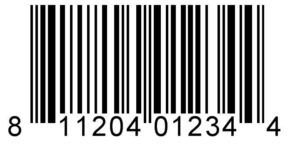
UPC: Used in retail product identification, particularly in the USA and Canada.
EAN
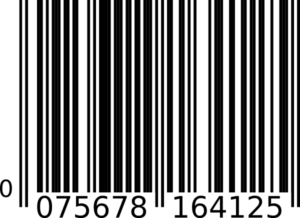
EAN includes formats such as EAN-13 and EAN-8 and is mainly used in Europe. Derived from the UPC numbering system, it looks similar to UPC. EAN refers to the International Article Numbering Association. It numbers retail products: EAN-13 has 13 digits and EAN-8 has eight, for smaller products. EAN is also used for books (ISBN) and periodicals (ISSN). An example appears alongside.
COD 39
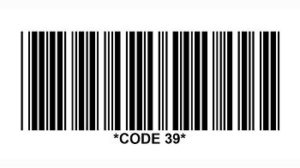
CODE 39: Commonly used in the automotive industry, Code 39 supports letters and numbers. Originally encoding 39 characters, it was later extended to 43.
COD 128
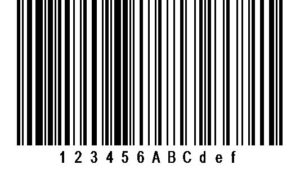
CODE 128: These are compact, high-density codes used in logistics, transport, ordering and distribution.
ITF (Interleaved 2 of 5)
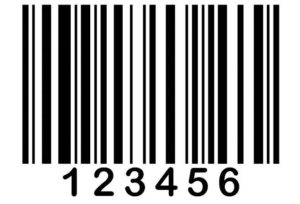
Used in the packaging industry. It consists of 14 characters.
COD 93
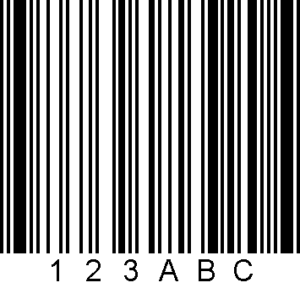
CODE 93: Used in logistics to identify packages and electronic components.
CODABAR
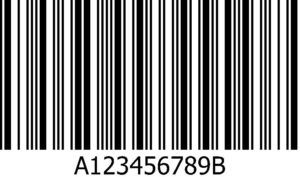
CODABAR: Used in logistics and healthcare. It is a discrete, self-checking numbering system encoding 16 characters with four start/stop characters.
MSI Plessey
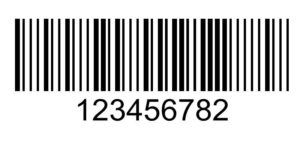
MSI Plessey: Mainly used for retail inventory management.
2D (TWO-DIMENSIONAL) BARCODE TYPES
QR Code
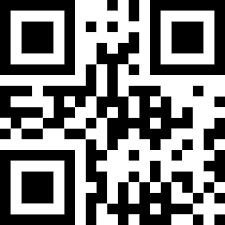
QR CODE: A two-dimensional matrix code used in advertising, magazines and business cards. It is quick to read and highly error-tolerant, but cannot be read with laser scanners. It supports numeric, alphanumeric, byte/binary and Kanji data. Developed in Japan, it continues to evolve and is free to use.
DATAMATRIX CODE
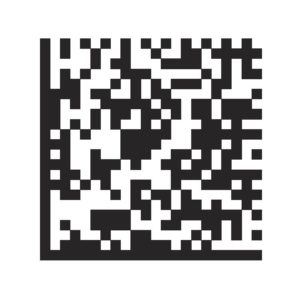
DATA MATRIX: A two-dimensional numbering system for identifying small parts, ideal for logistics and processing. Like QR codes, it reads quickly and tolerates errors well. It is widely used in Türkiye's pharmaceutical industry.
PDF417
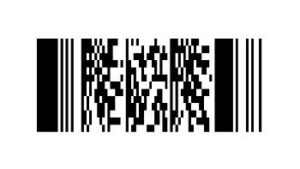
PDF417: A two-dimensional code used where large amounts of data must be stored, such as photographs, fingerprints, signatures and graphics. It can contain over 1.1 kilobytes of data, making it more powerful than other 2D barcodes. It is machine-readable and among the most widely used 2D barcode formats.
AZTEC
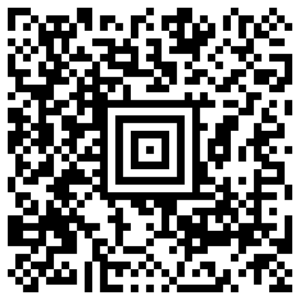
AZTEC: Widely used in transport. Aztec codes remain readable even at poor resolution.


